Why Your Restaurant Might Be Failing: Understand the common reasons behind restaurant failures. Relevant Statistics About the Restaurant Industry: Gain insight into market trends and data. Strategies to Save a Failing Restaurant: Learn how to take action and turn your restaurantaround.
Why Your Restaurant is Failing
Many restaurants fail due to a variety of circumstances. Poor restaurantmanagement can lead to ineffective cost control, inefficient operations, and the hiring of inexperienced employees, all of which result in poor restaurant customer service and unhappiness.
A poor restaurant site strategycan limit customer access and visibility, resulting in decreased restaurant traffic. High food expenses and excessive food waste can also reduce an average restaurant’s profit margin.
Furthermore, the lack of a unique selling proposals makes it difficult to distinguish oneself from competition. The lack of a restaurant marketing strategy, as well as the failure to react to restauranttrends, get worse these challenges.
How to Save a Failing Restaurant
Many restaurantsstruggle to stay afloat in an extremely competitive marketplace. We have compiled a list of ways to assist you save a failing restaurant. Implementing these strategieswill assist you in addressing frequent problems and working towards long-term success.
1. Implement Online Food Delivery
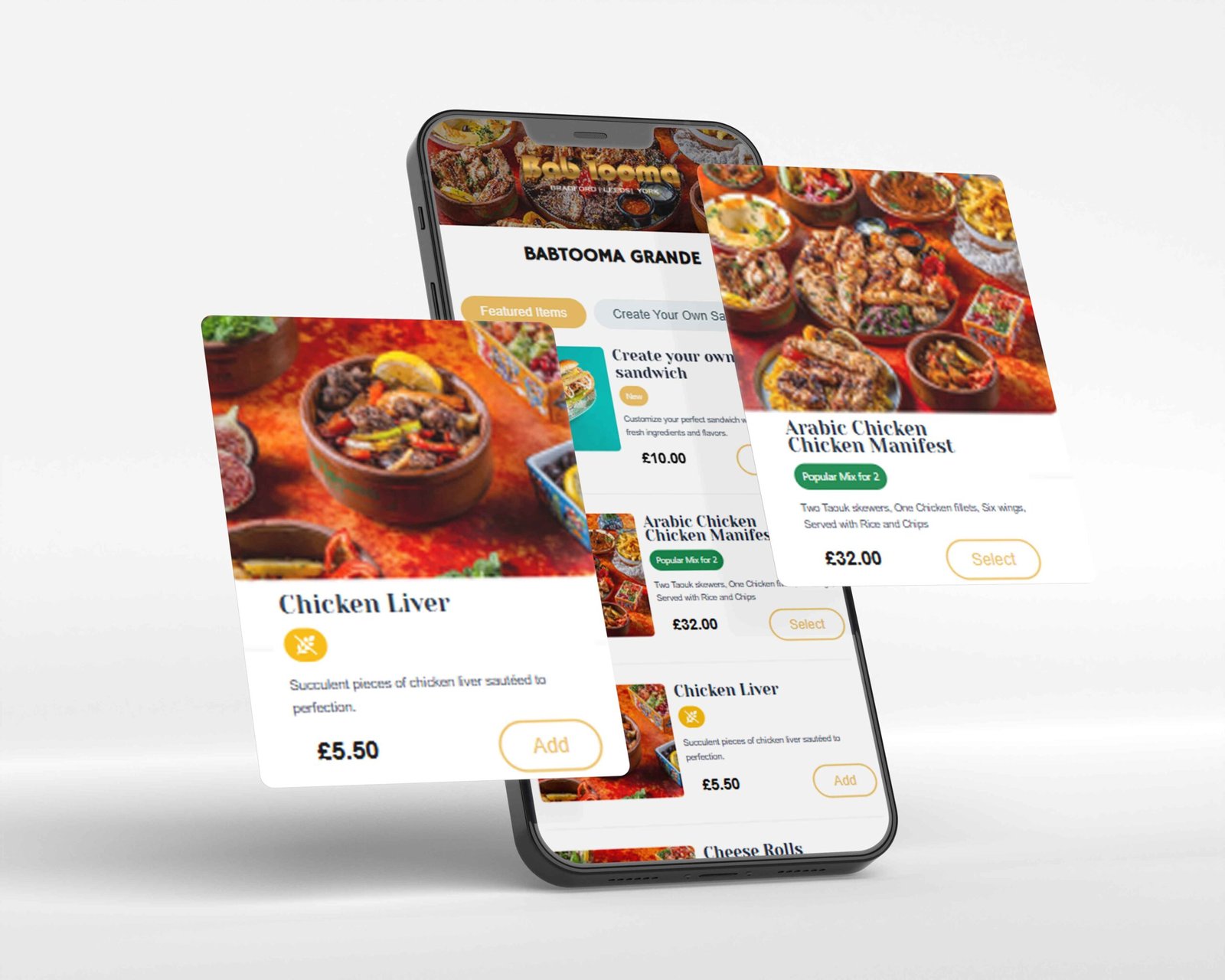
Maybe you should explore taking advantage of new restaurantrevenue streams. An alternative would be to implement online orders directly from your own website. If you don’t already have a website, you can utilize an easy restaurant website builder to design one using your menu.
The next step will be launching online ordering with pickup and delivery choices. Food delivery may greatly enhance your consumer base and sales.
Start Selling Online Food
Set up commission-free ordering for your restaurant’s website in minutes. Boost revenue while saving on third-party fees.
An online ordering system is one of many technologies that restaurants utilize to streamline operations and improve consumer convenience, and it is becoming increasingly popular.
2. Refresh Your Menu
One strategyfor improving the restaurant’sposition is to modify the menu. Consider whether your menu is excessively extensive and confusing, which may turn off guests. Perhaps you provide a lot of options—pizza, pasta, French cuisine, tacos—making it difficult for customers to chose. Perhaps your menu is too specialized and does not pique client attention.
Analyze your current menu to see which foods sell the most; they can serve as the foundation for your new “no-fail menu.” Use menu engineering concepts to optimize layout and descriptions. Pay attention to restaurantmenu pricing techniques to ensure profit. Calculate the best food cost % to determine the right price for each dish.
3. Implement a Restaurant Reservation System
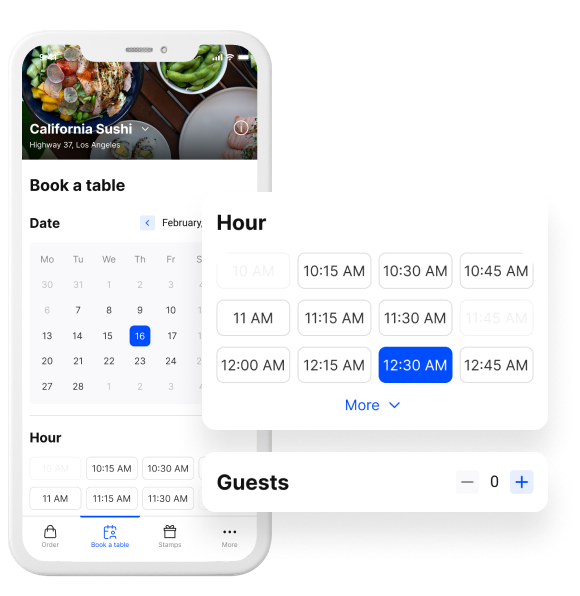
A restaurant reservation system is another example of how technology may help a restaurant survive. With such a system, diners can reserve a table in advance and avoid waiting in line, resulting in a more enjoyable eating experience.
Table Reservation System
Supercharge Table Reservations
Increase table bookings online directly through your restaurant’s website.
Table reservation systems assist control client flow, boost efficiency, and optimize restaurantseating arrangements, resulting in higher customer satisfaction and better resource allocation.
4. Modify Your Opening Hours
Another strategyfor saving a failing restaurant is to modify its operating hours. For example, extending your evening hours may draw additional consumers seeking late-night dining options. Consider staying open during holidays or special events to increase foot traffic and capitalize on heightened demand. Changing your hours to accommodate your target market’s schedules can greatly increase customer visits and improve your restaurant’s success.
5. Foster Customer Loyalty
How else can you improve your restaurant’s situation and prevent it from closing? Thank your repeat customers. Consider recognizing and honoring your valued clients. It may be a complimentary dessert or a special discount on their next visit.
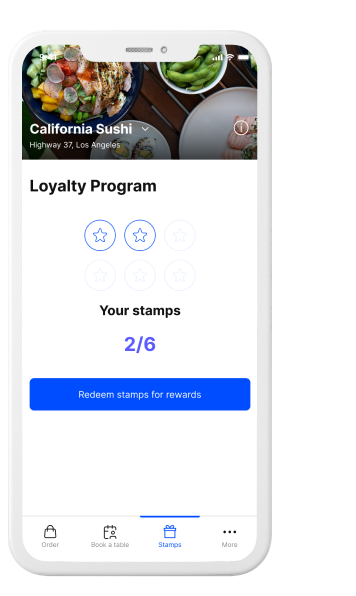
Loyalty Program
Create a Loyalty Program for Your Restaurant
Boost customer loyalty and transform one-time restaurant guests into regulars with an easy-to-implement loyalty program
Launch a restaurantloyalty program. Customers will accumulate stamps or points and then use them for prizes such as free meals or special discounts. This will improve customer retention and encourage repeat business.
6. Plan and Introduce Special Events
Organizing special events can generate hype and bring consumers to your business. These events offer unique experiences that set your business apart from competition and can increase client engagement.
Examples of Special Events
Wine-Tasting Nights: Host evenings where guests can sample a selection of wines paired with complementary dishes.
Chef’s Table Experience: Offer an exclusive dining experience with a special multi-course meal the head chef prepares.
Live Music Performances: Arrange for local musicians to perform during dinner service to create a lively atmosphere.
Themed Dinner Nights: Organize dinners based on specific themes, such as cultural cuisine nights or holiday celebrations.
Cooking Classes and Workshops: Invite guests to participate in interactive cooking classes led by your restaurant’s chefs.
7. Review Customer Feedback
Bad restaurant feedback could be the cause of your restaurantsstruggles. In the Internet age, potential customers study reviews before going to a restaurant or ordering online. For this reason, you must reply to both positive and negative consumer comments.
If a consumer reports a specific issue, acknowledge it and demonstrate that you are developing fresh ways to remedy the situation. If the problem is with restaurant customer service, provide more training to your employees. If consumers complain about the quality of the meal, speak with the cooks and resolve the concerns.
8. Implement Marketing and Promotion Strategies
What does your restaurant’s marketing look like? When you first launched your business, did you develop a marketing strategy? Are you actively implementing it? If not, it is definitely worth considering.
Don’t forget about restaurant social media promotion. Platforms such as Facebook and Instagram are ideal for educating followers about upcoming events and current promotions, as well as engaging them through competitions and interactive posts.
9. Optimize Staffing Levels
If your restaurant is at risk of closing, look closely at your labor costs. Do you have too many waiters waiting around for customers? If so, try lowering the amount of employees to meet your restaurant’s actual demands. Consider recruiting temporary labor to cover peak periods as well. Changing your staffing levels might help you control restaurant costs and achieve financial stability.
10. Consult an Expert
Hiring a restaurantconsultant can be a costly investment, but their extensive business expertise can be essential. Many people who create restaurantsinvest all of their money in their ambition but lack the necessary experience to manage a successful business. Consultants can help you detect underlying problems, optimize processes, and develop marketing tactics to keep your business open. While expensive, their experience can create a customized plan to improve your restaurant’s performance and assure long-term success.
Key Takeaways
Revamp the Menu: Simplify and innovate your menu to attract and retain customers.